
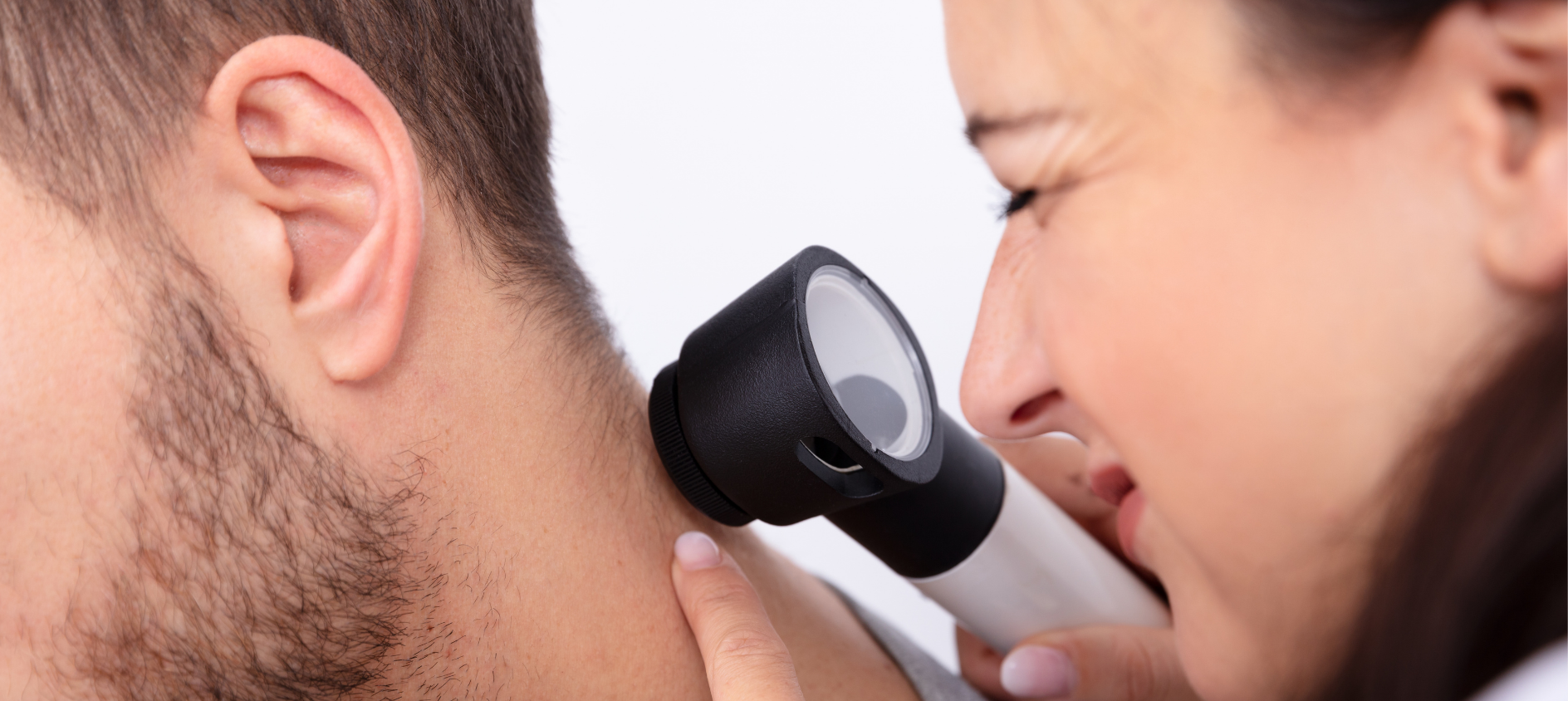
Skin cancer is the most common type of cancer in the United States. While it will affect one in five Americans by the time they turn 70, there are popular misconceptions that can delay early detection, fuel patient anxiety, and make it hard for patients to understand what treatment options are available for them today.
To clear up the confusion, this blog post from Sensus Healthcare highlights the most common skin cancer myths.
Myth #1: Only Melanoma Matters
Because melanoma receives a lot of attention because of its aggressive nature and ability to spread rapidly to other organs, many people believe that non-melanoma skin cancer diagnoses are minor skin issues. This is not true.
Melanoma tends to spread faster, and is considered more severe, than other types of cancer. Melanoma starts in the pigment-producing cells, which are in the melanocytes which are located the base of the epidermis.
Non-melanoma skin cancers like basal and squamous cell carcinomas occur in the upper and lower parts of the outer layer of the skin. These lesions can continue to grow beneath the surface. Because of this, if they are left untreated, they can turn into invasive cancers. A non-melanoma diagnosis is highly curable, but it should never be ignored.
Myth #2: Skin Cancer Only Develops on Areas Exposed to the Sun
Many people assume that if a part of their body doesn’t get much exposure to the sun, it is completely safe from developing a cancerous mole or lesion.
While ultraviolet (UV) rays are the primary drivers of DNA damage in skin cells, skin cancer can develop on areas of the body that are rarely exposed to sunlight. This includes hidden regions like the soles of the feet, the palms of the hands, under toenails or fingernails, inside the mouth, or in genital areas.
Many patients assume that the face or the back are the primary danger zones for skin cancer. But, clinical data reveals that there are areas that don’t get as much sun that can be common areas for skin cancer to develop. Take the legs, for instance. Recent clinical data shows that they are the third most prevalent site on the body for cutaneous squamous cell carcinoma, accounting for more than 10% of cases.
A monthly at-home skin check is recommended to detect any changes to the skin, including any new moles or changing moles. It’s important to identify any changing areas of the skin, as not all skin cancers evolve from moles.
Myth #3: If a Mole Isn’t Dark or Black, It Isn’t Cancerous
Skin cancer doesn’t show up in the same way for everyone.
Melanomas can vary in colors, showing up as pink, red, or even white. Non-melanoma cancers can look like a pearly pimple that won’t go away, scaly red patches, or shiny bumps.
In your monthly at-home body scans, it’s important to monitor for all skin changes. The acronym A-B-C-D-E can be helpful to know what to look for:
- A – Asymmetry: One half of the spot or mole does not physically match the other half.
- B – Border: The edges are irregular, ragged, notched, blurred, or poorly defined.
- C – Color: The coloring within the mole or lesion has different shades or colors.
- D – Diameter: The spot is larger than 6mm (roughly the size of a pencil eraser), though malignancies can occasionally be caught when they are smaller.
- E – Evolving: The mole or spot has changed – either in size, shape, or color. Note if it has new symptoms like bleeding, itching, or crusting.
It’s important to track these changes. If there are any critical changes or spots that stand out from the rest of your skin, schedule an evaluation with your dermatologist.
Myth #4: You Can’t Get Skin Cancer If You Never Get a Sunburn
Many individuals believe that if they are tanning and not getting a sunburn, it protects their skin from skin cancer. However, this sun exposure adds up and can contribute to the development of skin cancer.
Severe sunburns can significantly increase your risk of getting skin cancer. In fact, data shows that having five or more sunburns can double your risk of getting melanoma.
UV rays come in two forms. UVA rays causes damage to your skin cells that make your skin tan, while UVB go deeper into the skin and cause sunburns and redness. Even if you aren’t getting a sunburn, everyday exposure to the sun’s UV rays can cause damage to the cells over time. This type of exposure can be attributed to many basal and squamous cell skin cancers.
Prevention becomes the first line of defense. To protect your skin from both types of UV rays, it’s recommended to:
- Wear broad-spectrum sunscreen. If you are going to be out for more than two hours, or sweating while out, make sure to reapply every two hours.
- Cover your skin with a sun hat, sunglasses, and UPF clothing. UPF-rated clothing protects the skin from the sun, acting like a natural shield. With more than 30% of skin cancers appearing on the nose, covering your face can be critical protection.
- Limit exposure during peak hours. The sun’s rays are strongest between 10 a.m. – 2 p.m. If you must be outside during this time, take breaks in the shade and hydrate.
Myth #5: If You Cut a Mole Off, the Skin Cancer Is Gone
Many assume that skin cancer only lives on the top of the skin, where they can see it. The belief is that if the spot is removed – either by accident or shaved off during an initial biopsy – it has eliminated the threat.
Removing the surface portion of a cancerous spot doesn’t cure the underlying disease. Think of skin cancer like an iceberg: the visible portion on the top of the skin is often the top layer. The cancerous cells can be located much deeper into the dermal layers of the skin. Without treatment, these cells can continue to multiply and spread beneath the surface.
It’s important to share any suspicious moles, spots, or changes to your skin with your dermatologist. An annual exam can determine if the spot is cancerous. And, if it is a cancerous lesion, your dermatologist will help identify a treatment pathway and provide options based on your unique case.
The Reality: You Have Treatment Options
Receiving a non-melanoma skin cancer diagnosis can feel overwhelming. However, you are in control of your care. Modern innovations mean that you have treatment options beyond standard surgical removal like Mohs surgery.
Superficial Radiotherapy (SRT) offers a non-surgical alternative that delivers 98.9% cure rate – matching the clinical efficacy of traditional surgery without the cutting, stiches, or recovery time.
Because SRT is non-invasive, it can be ideal for certain patients, including:
- Aging or At-Risk Patients: A safe solution for individuals with thinning skin or underlying health conditions that make surgical wound healing risky.
- Medical Anxiety: A gentle, painless office experience that eliminates the fear of blades and needles.
- Active Lifestyles: Zero downtime means no change to your lifestyle – ideal for people who can’t take time off work or don’t want to miss a workout.
If you are diagnosed with non-melanoma skin cancer, it’s important to ask your dermatologist about what treatment options are available to align with your health goals and lifestyle choices.
Looking for a dermatologist? Check out Sensus Healthcare’s Location Finder to find one near you that offers SRT treatment options.