
For nearly a century, surgical excision and Mohs surgery have been the gold standard for treating patients who have non-melanoma skin cancer (NMSC) and keloid disease. The surgery works extremely well – with cure rates up to 99%, it has become the standard of care for a reason.
This then creates a fascinating paradigm shift, one that is echoed across nearly every medical discipline. From cardiology moving past the bypass to endocrinology evolving beyond the finger prick, advances in modern medicine have shifted the standard of care significantly. Many of these shifts occur because of technological advances that naturally occur as modern medicine continues to evolve.
For dermatology, the established standard of care has been in place for several decades. And now, it’s time to offer an alternative, non-invasive option to support the shifting needs of the patient population.
Beyond the Scalpel: Why Patients and Physicians Need Advanced Treatment Options
While Mohs surgery remains a highly effective cornerstone of dermatologic care, no single clinical modality is a universal solution for every patient panel. As the patient population becomes more diverse and medically complex, identifying scenarios where surgical intervention poses distinct disadvantages is critical to optimizing outcomes.
Four distinct patient profiles stand to benefit immensely from a non-surgical alternative:
Medically Complex Patients
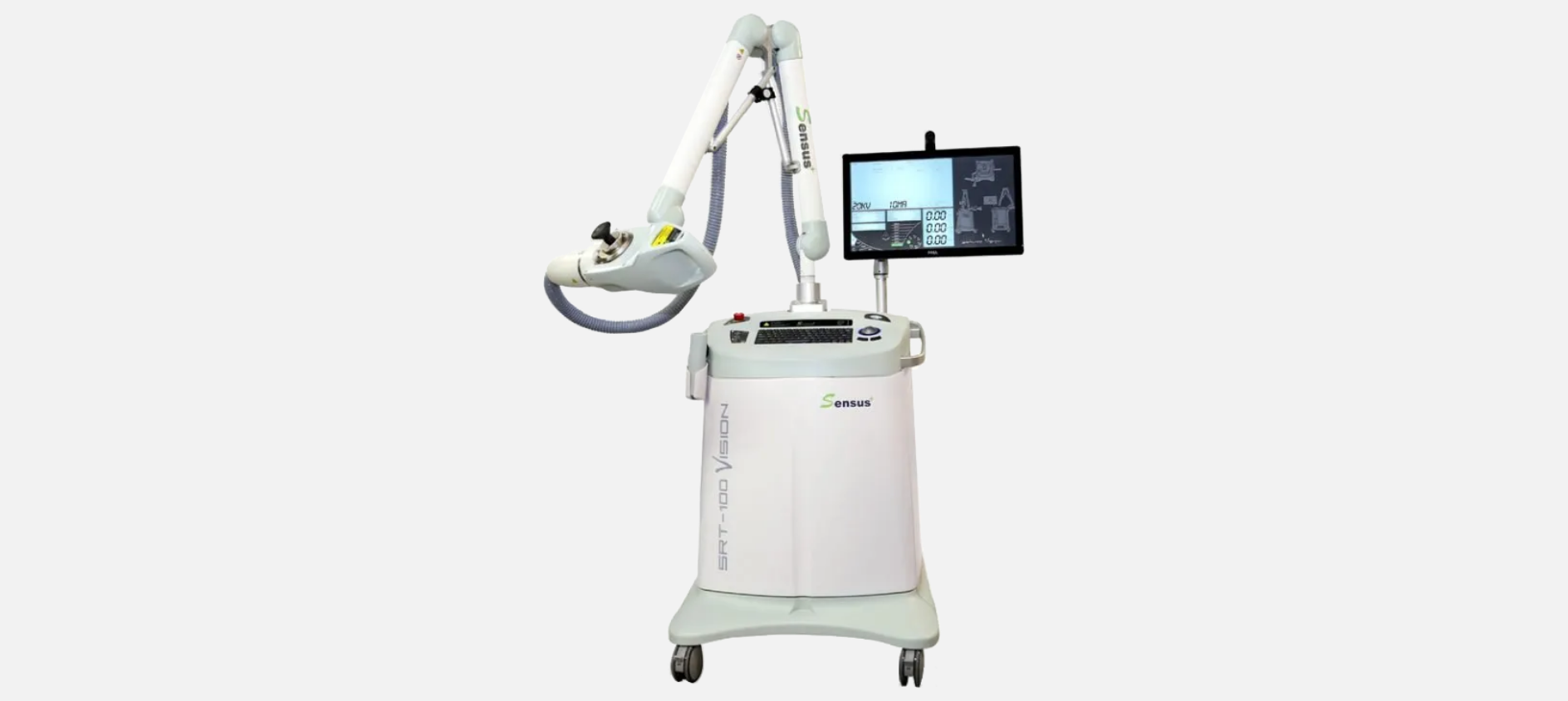
Managing patients with significant comorbidities – such as advanced cardiovascular disease or diabetes – presents severe surgical risks, including heightened infection rates and delayed wound healing. There are also certain medications, like blood thinners, that can be troublesome for some patients if they undergo surgery. For these medically-complex individuals, Superficial Radiotherapy (SRT) from Sensus Healthcare provides a non-surgical option without requiring patients to make any changes to their current standard of care.
The Geriatric and Senior Population
Surgery can require significant recovery time for certain patients as they age, especially as tissue layers thin and atrophy with age. Depending the location of the non-melanoma skin cancer lesion, patients may need to undergo reconstructive surgery to support the healing process. For some seniors, a series of non-invasive SRT treatments can preserve their skin and help them bypass the toll of multiple surgeries.
Patients Anxious About Surgery or Scarring
Some patients experience extreme anxiety about surgery. Pre-operative anxiety, fear of needles, and even anxiety about doctors can cause acute psychological stress.
Additionally, when NMSC appears in highly visible, cosmetically sensitive areas like the nose, eyelids, or ears, the anxiety of scarring can increase.
A solution like SRT from Sensus Healthcare offers a better option. With no cutting or no scarring, it delivers a 98.9% cure rate as an outpatient procedure with zero cutting, zero pain, and exceptional cosmetic outcomes.
Patients Requiring Zero Downtime
Surgery demands a lifestyle pause for wound care, stitch removal, and even post-surgery reconstruction. For some patients, that’s not possible with their lifestyle. Whether it is an active professional who cannot miss work, a busy caregiver, or an elderly patient living alone, surgical downtime can be a major barrier. SRT from Sensus Healthcare fits seamlessly into a patient’s existing routine.
The non-invasive procedure takes just minutes per session, allowing patients to walk out of their dermatologist’s office and return to their daily lives.
The Catalyst: 2026 Reimbursement and Code Changes for SRT
Continuous glucose monitors, or wearable medical devices that track blood sugars in real time, were approved by the FDA in 2005. It wasn’t until 2017 when Medicare classified them as therapeutic and established dedicated billing codes for the devices when they became mainstream. A standardized reimbursement pathway made it a standard tool for millions of people with diabetes.
The 2026 code changes are opening the same doors for Superficial Radiotherapy (SRT) in the dermatology industry. The Centers for Medicare & Medicaid Services (CMS) published a distinct set of codes specific to the use of SRT from Sensus Healthcare.
In doing so, it acknowledged SRT as a standalone treatment modality for non-melanoma skin cancers. The dedicated codes increase reimbursement per fraction of more than 300% compared with what was previously established, enhancing physician reimbursement rates and contributing to the financial viability of SRT in practice.
With defined CMS codes reflecting the viability of SRT as a treatment option for patients with non-melanoma skin cancer, it enhances patient access and choice. It gives individuals diagnosed with non-melanoma skin cancer an additional treatment pathway that’s covered by public and private insurers.
Expanding the Clinical Footprint for NMSC and Keloids
Skin cancer rates continue to rise, with recent estimates showing that one in five Americans will have skin cancer by time they turn 70. Because sun damage is cumulative, skin cancers have traditionally impacted older generations at a higher rate. However, skin cancer rates among younger adults are steadily climbing as well.
In addition to non-melanoma skin cancer, SRT from Sensus Healthcare serves as a treatment option for patients with keloids. Keloids, which are thick, raised scars, impact approximately 10 percent of the world’s population. When dermatologists first surgically remove the keloid, and follow it with a SRT treatment protocol, doctors report cure rates of up to 90 percent.
Given the shifts in demographics for skin cancers and those who suffer from keloid disease, modern dermatology practices need to have multiple treatment pathways for patients. Providing patients with choices ensures that physicians can offer the best treatment, given medical histories, current conditions, and other lifestyle factors.
Modernizing the Modern Dermatology Practice
Modern medicine demands continued innovation to expand care pathways, and provide cures for challenging conditions like non-melanoma skin cancer and keloid disease. As dermatology navigates this current regulatory and technological inflection point, the rapid modernization of the specialty starts to unfold in real time.
For patients, this shift offers access to highly effective, non-invasive treatment alternatives like SRT from Sensus Healthcare. More treatment options elevate their quality of care and clinical experience.
For providers, integrating SRT from Sensus Healthcare into their practice represents a positive evolution that impacts every corner of their practice. By aligning clinical workflows and patient satisfaction with the financial predictability of the code changes for SRT from Sensus Healthcare, modern practices can thrive operationally while setting a new, comprehensive standard of patient-centered care.
Interested in exploring the impact of innovation on the dermatology practice? Read Sensus Healthcare’s Michael Sardano’s article in MPO Magazine, From Scalpel to Scan: The Impact of Innovation on the Dermatology Industry.