
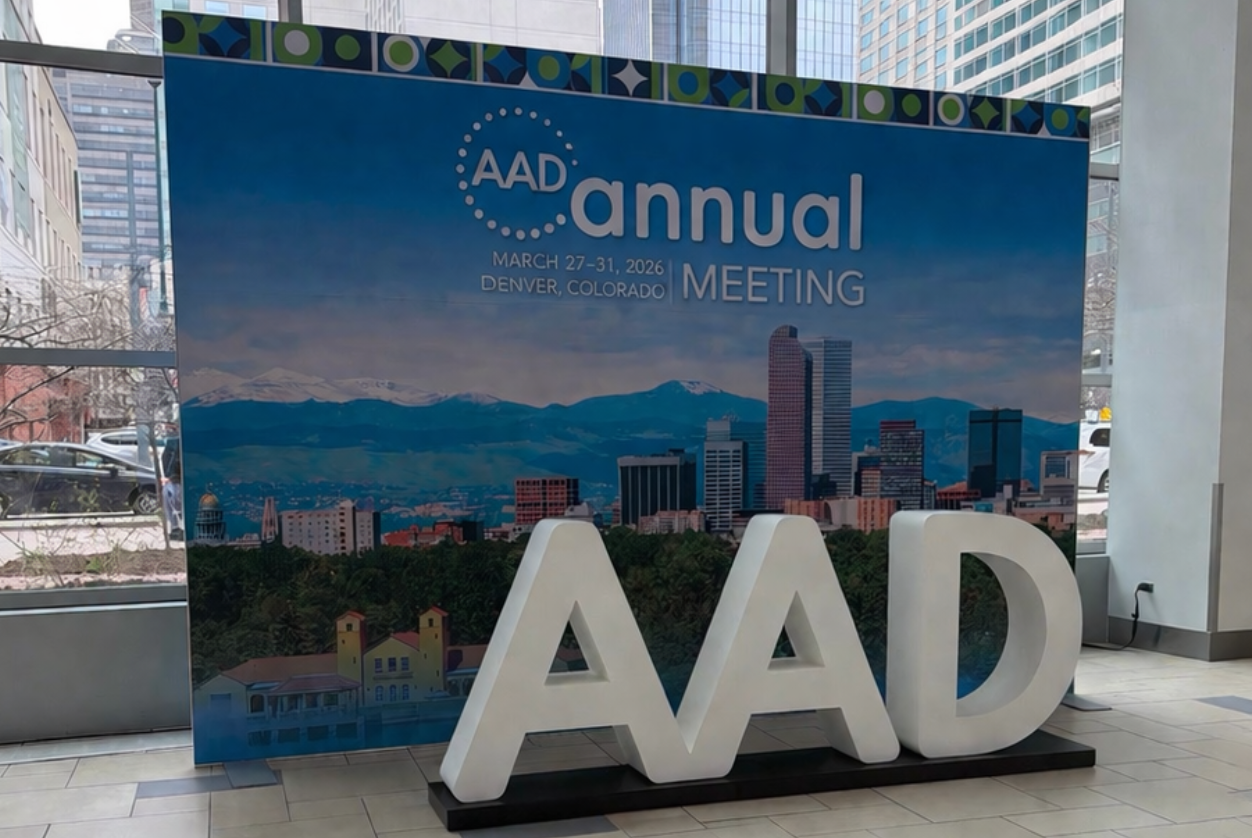
Thousands of dermatologists and industry experts attended the 2026 American Academy of Dermatology (AAD) Conference in Denver. As with previous years, it is the premier event for defining the next chapter of the specialty – and this year was no different.
Our team at Sensus Healthcare was on the ground at AAD, collaborating and sharing insights with clinical leaders from across the field. Through our conversations, it became abundantly clear that a few key trends will dictate the future of the dermatology industry in 2026 and beyond.
Physicians Prefer Autonomy
Today’s medical landscape is a challenging environment, heavily influenced by external factors, and dermatology is no exception. From private equity consolidation to shifting insurance mandates, the administrative burden creates significant friction in the patient journey.
For dermatologists, this translates into a serious barrier to care. Studies show that patients are more likely to delay dermatology visits compared to general healthcare concerns. With over 50 percent of patients reporting that they avoid or delay treatment, dermatologists must be able to support patients exactly where they are. Maintaining autonomy – the ability to control patient care from start to finish – allows physicians to provide the exact level of care their patients require without outside interference.
A key part of this autonomy is the ability to offer diverse treatment options in-house. For skin cancer patients, leveraging non-invasive solutions like Superficial Radiation Therapy (SRT) for non-melanoma skin cancers improves the patient experience while giving physicians the essential clinical control they need for their practice.
Redefining Patient Outcomes
When it comes to treating skin cancer, curing the disease serves as the baseline for a positive patient outcome. Today’s treatment options boast exceptional success, with both Mohs surgery and Superficial Radiation Therapy (SRT) delivering up to a 99% cure rate for non-melanoma skin cancer.
While the cure rate will always be the foundation of a successful outcome, today’s patients require more.
One in five Americans will develop skin cancer by their 70th birthday. As incidence rates increase, patient expectations are shifting, meaning the clinical approach must evolve alongside them. Today, a truly successful clinical outcome encompasses the patient’s physical, psychological, and cosmetic well-being.
For modern patients, treating basal cell and squamous cell carcinoma starts with eradicating the cancer, but it also must include:
- Preserving the patient’s quality of life
- Minimizing downtime
- Delivering a superior cosmetic result
Recent data shows that nearly half of skin cancer patients report feeling uneasy about potential scarring and how others might react to it. Skin cancer is most common on areas frequently exposed to ultraviolet (UV) radiation, including the face, lips, nose, neck, ears, scalp, shoulders, and back. Surgical scarring can be incredibly jarring, particularly when the removal is on the face.
Putting the patient first means offering true choices. Utilizing non-invasive technology like the SRT-100™ from Sensus Healthcare delivers a 98.9% cure rate while completely eliminating the fear of scarring.
To genuinely prioritize patient outcomes, a modern clinical toolkit must address the diverse, holistic needs of the patient population by providing both surgical and non-surgical options, including Mohs and SRT.
The Collaborative Future: Mohs and SRT Together
Imagine a patient walking through the door with a new diagnosis of non-melanoma skin cancer. Like many, they are seeking an expert opinion from their dermatologist, but they also bring deep concerns about surgical recovery and potential scarring. In this scenario, the dermatologist presents both Mohs and SRT side-by-side, giving the patient the comprehensive information required to make an empowered decision about the best treatment for their unique lifestyle.
At Sensus Healthcare, this is the exact standard of care we envision: an industry where Mohs and SRT exist collaboratively, empowering dermatologists to offer true choices. When these two modalities co-exist, patient outcomes improve simply because the care is customized. True innovation leans into integration—putting the patient first and accelerating the healing process.
Leaving this year’s AAD Conference, it is clear that the dermatology industry is ready to embrace collaborative innovation. By offering solutions focused on meeting patients exactly where they are, modern clinicians no longer have to choose between Mohs and SRT. Instead, these powerful tools complement each other perfectly, ensuring the right treatment pathway is available for every single patient seeking care for non-melanoma skin cancer.
Looking Ahead to What’s Next in Dermatology
This year’s AAD Conference brought to light the key trends defining dermatology and sparked a vital dialogue for everyone involved. It is abundantly clear that this specialty fiercely protects its patients, its clinical independence, and its outcomes.
As the field moves toward what’s next, the future can be summarized in one word: comprehensive. A world of comprehensive:
- Care for patients, where clinicians can present treatment options that work together to advance the patient experience
- Patient outcomes, that evolve beyond the foundational cure rates of treatment options – but consider the physiological and cosmetic outcomes as well
- Treatment options, where the legacy of Mohs and the innovation of IG-SRT work together to deliver the best treatment protocols for every patient
Bottom line: The future of skin cancer treatment is collaborative, patient-first, and physician-led. Let’s build it together.
If we missed you at AAD 2026, contact us! Let’s continue to conversation and work together to redefine the standard of care in dermatological oncology.