The intersection of technological innovation and patient experience continues to redefine modern healthcare. Over the past several decades, procedural medicine has evolved through the development of non-invasive treatment modalities.
Parallel to advancements in medical devices and other treatment solutions, clinician workflows have undergone a digital transformation. Cloud-connected platforms, supported by easy-to-use interfaces, have replaced fragmented charting. Overall, this has simplified how clinical teams document, calibrate, and track complex treatment protocols that support the specific needs of each patient.
Together, these innovations allow practices to deliver treatment solutions that focus on precision and high efficacy rates – all within an outpatient setting. As a result, clinicians have streamlined daily operations, alleviated administrative friction, and prioritized patient comfort without compromising outcomes.
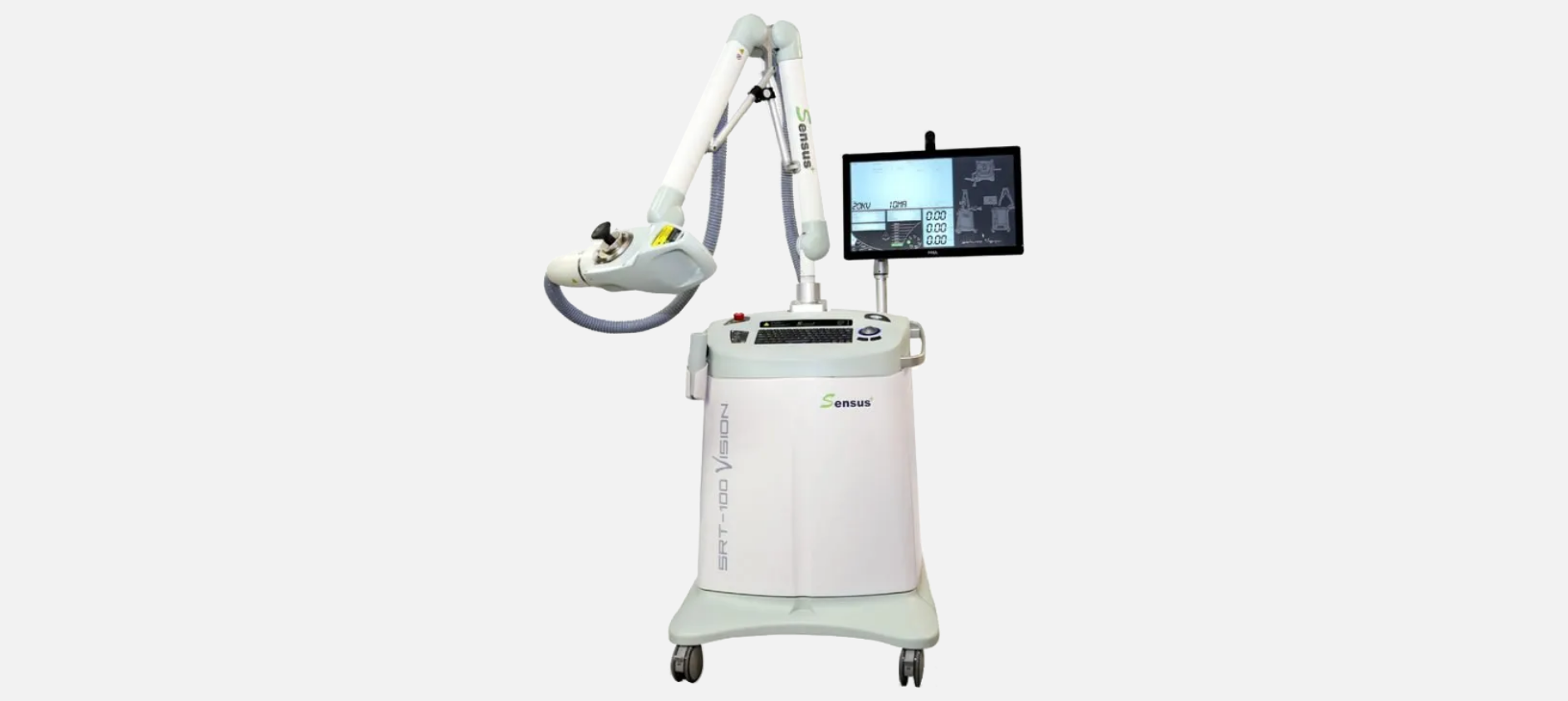
Within dermatology, this advancement has modernized how clinicians treat non-melanoma skin cancer and keloid with non-invasive solutions like Superficial Radiotherapy (SRT) from Sensus Healthcare. While SRT has long served as a scalpel-free alternative, modern technological advancements and connectivity solutions like Sensus Link elevate SRT from a standalone device into a fully integrated treatment option.
Why Patients Choose Non-Surgical Treatment Options
Advancements across medical disciplines continue to expand the viability and adoption of non-surgical treatment options. Technological innovation has unlocked precise, non-invasive pathways tailored to an individual’s clinical risk profile, anatomy, and lifestyle.
In dermatologic oncology, Mohs micrographic surgery remains a standard for excision of cancerous lesions. However, the realities of today’s patient demographic demand more treatment options to meet their dynamic needs and lifestyle requirements. For non-melanoma skin cancer and keloids, Superficial Radiotherapy (SRT) provides a proven, scalpel-free alternative that addresses critical clinical bottlenecks.
An aging patient demographic frequently presents with complex medical backgrounds. This may include cardiovascular disease, peripheral vascular disease, and impaired wound healting due to diabetes. In addition, comorbidities and certain medications may place patients in high-risk cohorts, requiring a non-invasive approach to align with their medical conditions. Some patients face high anxiety regarding surgical procedures, while others may not be able to dedicate time to recovery.
Because of these factors, as well as the specific location of the cancerous lesion requiring removal, patients may opt for non-surgical treatment options to best suit their preferences and medical needs. When physicians offer SRT, it offers an opportunity to expand surgical expertise with a solution that aligns care options with what’s best for the patient.
Technology and Clinical Governance, Point-of-Care Confidence
Advanced medical technology extends far beyond the actual treatment that the patient receives. It can also include how practitioners document, verify, and communicate care throughout the patient journey.
Sensus Link serves as the cloud-connected operational backbone for devices from Sensus Healthcare. It integrates real-time digital documentation with quality assurance and compliance workflows to impact the point of care.
Automated Record & Verify for Prescribed Treatment Plans
With recent CMS coding updates establishing clear, dedicated reimbursement pathways for SRT, documentation accuracy continues to be more important than ever.
Because SRT delivers radiation, clinical protocols require review to validate prescriptions, energy selection (kV), depth-dose calculations, and fraction schedules. This requires review alongside a qualified medical physicist or radiation oncologist.
With Sensus Link, dermatologists can replace paper-based documentation with an automated, HIPAA-compliant digital process. Treatment plans, dosing calculations, and sign-offs are recorded right in the cloud, creating a compliant workflow that lives digitally for every patient.
Dual-Layer Verification for Treatment
Upon approval of the treatment protocol for the patient, Sensus Link becomes a source of truth for the entire practice. The platform enforces dual-layer verification by confirming the machine settings precisely match the approved prescription before treatment begins.
Digitizing this workflow eliminates manual errors that occur with paper charts. It also ensures that the data gets recorded accurately, every time. For practices that are submitting claims under updated guidelines, practices have the time-stamped digital audit trail that accelerates billing cycles while minimizing claim rejections.
Visual Capture for Each Treatment
Sensus Link enables practitioners to take images to complement the digital medical record. This offers a few benefits to the medical team, and overall digital treatment record:
- Track tumor clearance, margin reduction, and tissue healing throughout the treatment process.
- Detect and manage localized tissue response, to make adjustments to the care schedule as needed.
- Share a visual record with patients and their families at each visit to demonstrate the efficacy of the treatment protocol.
Sensus Link bridges the gap between surgical-grade governance and a modern, reassuring patient experience. From rigorous quality assurance to streamlined documentation, it offers a necessary resource to support the dermatologist or clinician throughout the treatment protocol for non-melanoma skin cancer or keloids.
Advancing Care with Cloud Solutions
Cloud solutions like Sensus Link have become the operational engine essential to powering clinical excellence in the dermatology space. As specialized outpatient care becomes more distributed, it requires that medical devices must deliver more than efficacy. It must include an intelligent and cloud-first infrastructure to keep practices agile, compliant, and focused on the patient experience.
Digital tracking and automated verification do more than modernize charting. They support revenue cycles for dermatology groups and clinicians by aligning documentation with CMS coding structures, helping to reduce denials and administrative drag.
In addition, the ability to sync data in real time allows clinical staff, dermatologists, and collaborating radiation oncologists to review protocols and monitor treatment results seamlessly across multiple office locations.
As a result, providers can focus on optimizing patient care and the overall patient experience. SRT from Sensus Healthcare has established itself as a transformative non-invasive treatment option for non-melanoma skin cancer and keloids. With Sensus Link, this continues to advance its role within the clinic by streamlining operations and serving as the core of a modern digital ecosystem – equipping practices to thrive in today’s healthcare landscape.
Interested in learning more about Sensus Link and how it can work with your practice’s workflows? Contact the Sensus Healthcare team today.