
How 2026 Code Changes Shifted SRT from Sensus Healthcare to a Standard Treatment Option

For nearly a century, surgical excision and Mohs surgery have been the gold standard for treating patients who have non-melanoma skin cancer (NMSC) and keloid disease. The surgery works extremely well – with cure rates up to 99%, it has become the standard of care for a reason. This then creates a fascinating paradigm shift, […]
How Fast Does Skin Cancer Grow? (& Other Facts to Know)
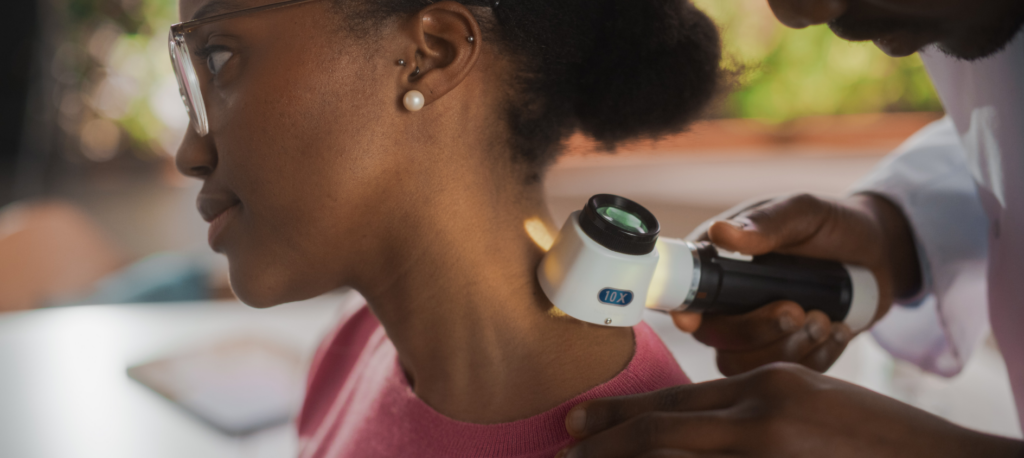
When you spot a new or changing mole on your skin, it can bring up a lot of questions. Wondering how long it’s been there and how quickly it’s changed are often top of mind, along with wondering what it could be – like if it’s cancer. Skin cancer spots and lesions grow at different […]
Are Skin Cancer Risk Factors Different for Men and Women?
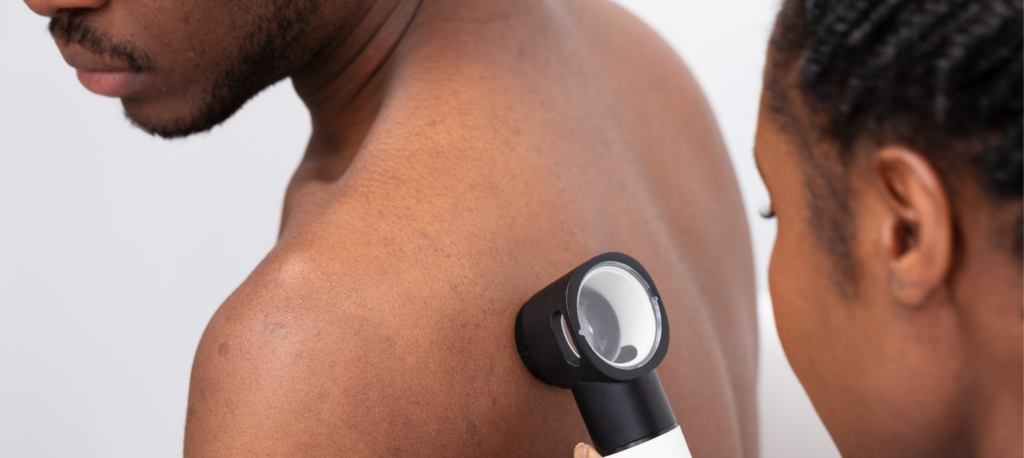
Skin cancer usually starts from spending too much time under the sun’s powerful ultraviolet (UV) rays. Without protecting your skin from these rays, they can damage your DNA – which controls how your cells grow and function. In some cases, the body can repair this damage. However, if your skin gets too much sun exposure […]
Is There an Alternative to Mohs Surgery for Non-Melanoma Skin Cancer?
Receiving a non-melanoma skin cancer diagnosis can feel stressful. In fact, studies show that more than one in three patients find the diagnosis traumatic, with many more experiencing anxiety about what comes next. For many, the fear of the treatment itself can feel just as overwhelming as the diagnosis. Traditional surgical options, such as Mohs […]
What is Superficial Radiotherapy? The Non-Surgical Choice for Skin Cancer Care
One in five Americans will be diagnosed with skin cancer by their 70th birthday. Historically, treating skin cancer required a scalpel and a procedure called Mohs surgery. Mohs surgery, named for the dermatologist that founded the procedure, involves cutting out the skin cancer lesion – which leads to scarring and a lengthy recovery time. Modern […]
Your 2026 Summer Skin Strategy: 5 Habits to Prevent Non-Melanoma Skin Cancer

Skin cancer continues to be the most common cancer diagnosis in the United States. For many, focusing on how to avoid skin cancer with hotter, sunnier days in the summer becomes a top priority. The good news: Your daily habits are your strongest defense against sun damage. In this blog, we’ll share the essential checklist […]
Basal Cell Carcinoma vs. Squamous Cell Carcinoma: What’s the Difference?

Melanoma and non-melanoma are two primary categories of skin cancer. Each presents different symptoms and treatment options. Within the non-melanoma skin cancer – sometimes referred to as NMSC – category, the two most common types are basal cell carcinoma (BCC) and squamous cell carcinoma (SCC). While both are common forms of non-melanoma skin cancer, they […]
Keloids Treatment: What Options Are Available?
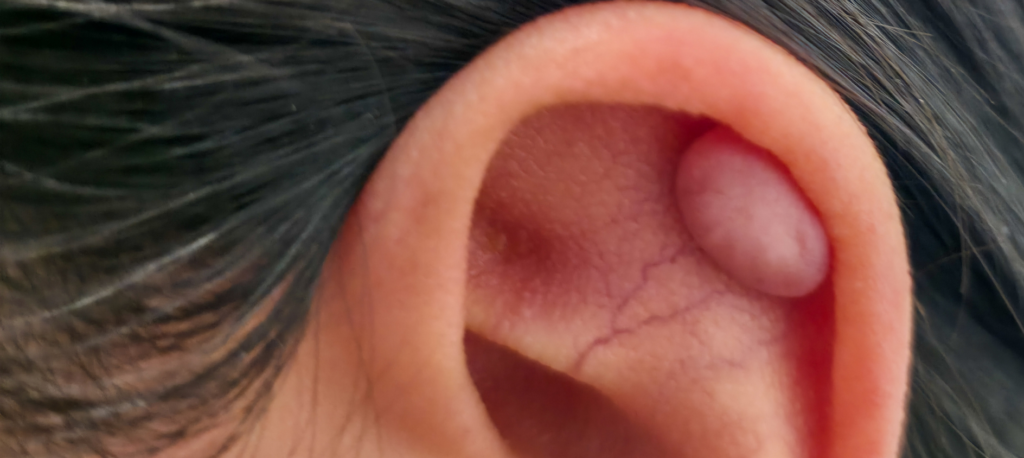
For the 10 percent of the population that suffers from keloids, finding an effective treatment option can often feel like a challenge. Traditional treatment options are limited in truly removing a keloid and keeping the keloid from forming again. Dr. Posten, board-certified dermatologist and Mohs surgeon at Advanced Dermatology Associates, frequently works with patients who […]
Innovation, Patient Outcomes, Collaboration: Key Trends Defining Dermatology in 2026
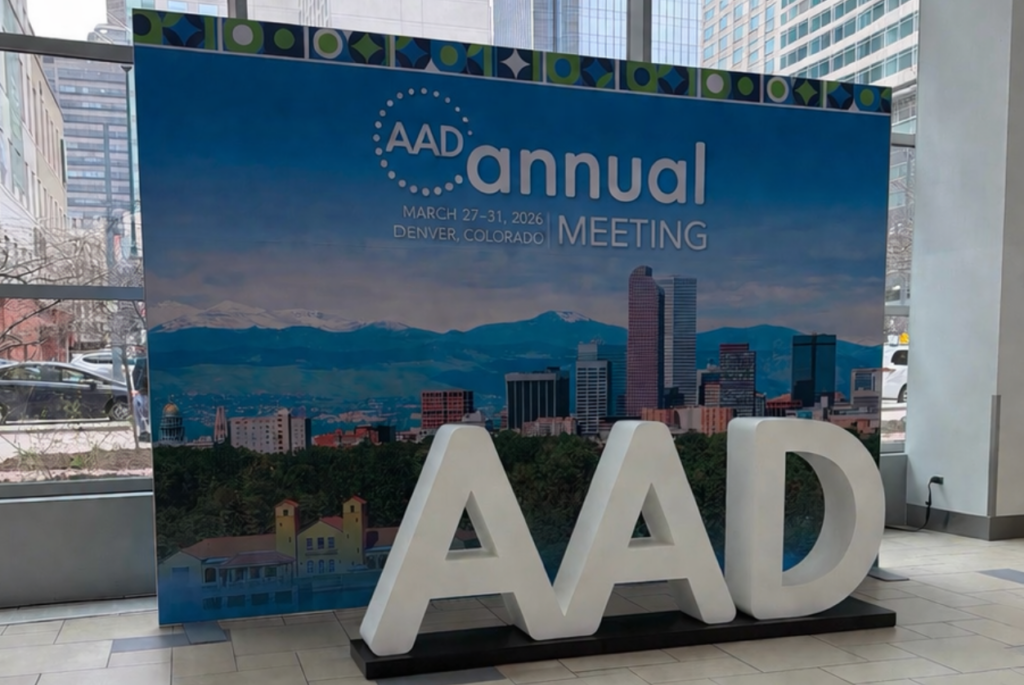
Thousands of dermatologists and industry experts attended the 2026 American Academy of Dermatology (AAD) Conference in Denver. As with previous years, it is the premier event for defining the next chapter of the specialty – and this year was no different. Our team at Sensus Healthcare was on the ground at AAD, collaborating and sharing […]
What is Keloid Disease?
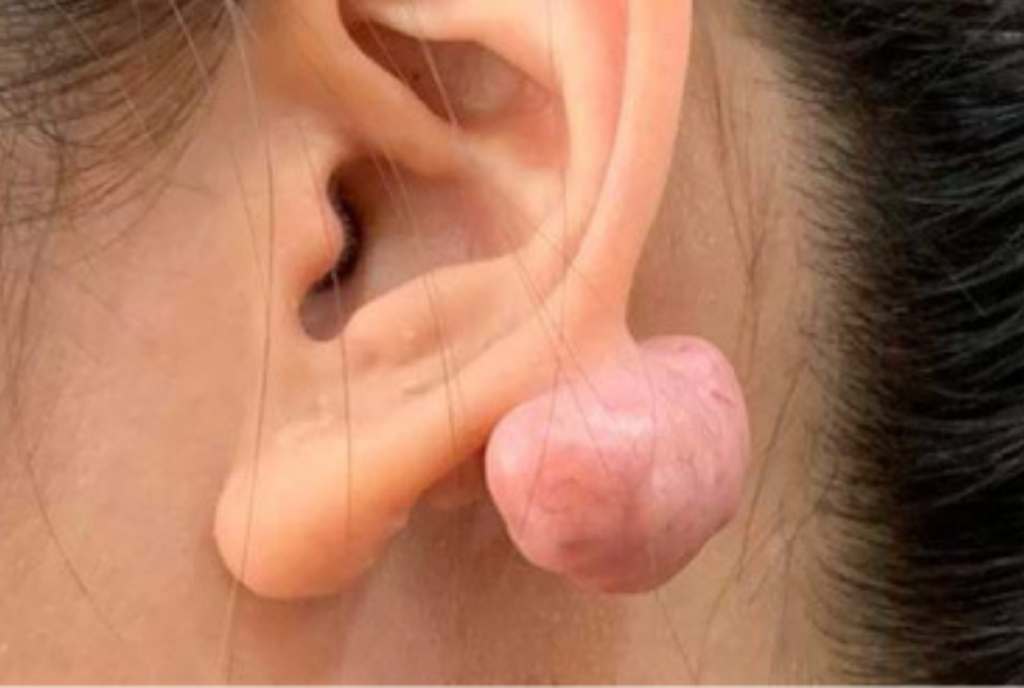
When you get a cut, a piercing, or even a bug bite, a scar can be a sign that our body is healing. But, for more than 150 million people around the world, what starts as a scar can grow into a skin condition known as keloid disease. By medical definition, keloids are overgrowth of […]